
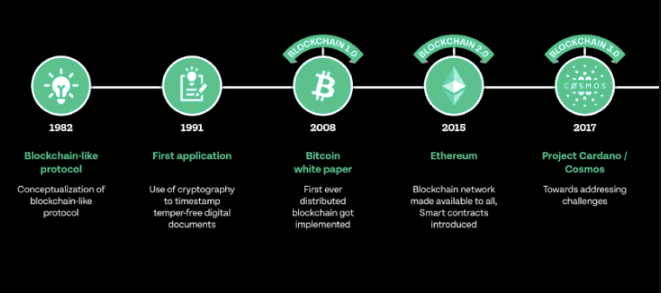
The blockchain industry shows a shift from trustless value transfer to cross-domain deployment. Data from early networks reveals efficiency gains in settlement and transparency, while layered ecosystems enable composable services. Hype cycles and setbacks yield practical governance and measurable benchmarks. As policy, interoperability, and scalable architectures mature, sustainable, inclusive models emerge. The trajectory invites scrutiny of real-world impact versus promises, and whether current foundations support durable, responsible growth.
Current State of Blockchain Across Sectors
The current state of blockchain across sectors shows increasing integration and pragmatic adoption, driven by tangible use cases in supply chain, finance, and digital identity.
Analysts observe rising efficiency, transparency, and governance improvements, fueled by distributed identity and cross chain interoperability.
Investment leans toward interoperable platforms, standardized protocols, and scalable architectures, signaling a measured trajectory toward broader autonomy, risk management, and data sovereignty.
Core Breakthroughs: Bitcoin, Smart Contracts, and Layered Ecosystems
Bitcoin, smart contracts, and layered ecosystems have collectively redefined blockchain functionality, enabling trustless value transfer, programmable agreements, and modular scalability. This analysis tracks Bitcoin governance signals, contract interoperability progress, and layered ecosystem interoperability, highlighting efficiency gains and friction points. While scalability debates persist, data indicate advancing cross-chain bridges and modular design reducing latency, improving composability, and guiding policy-aligned innovation for broader freedom-oriented adoption.
Hype Cycles, Setbacks, and Momentum: What the History Teaches
Hype cycles, setbacks, and sustained momentum have historically shaped the blockchain industry’s trajectory, with periods of exuberant expectation punctuated by corrective shocks and subsequent recalibration.
Analyzing history lessons reveals their role in informing governance and market resets, guiding stakeholders toward disciplined innovation.
Momentum persists when data-driven signals align with transparent accountability, enabling resilient growth and responsible deployment across open, decentralized ecosystems.
See also:quinteplus
Balancing Openness, Sustainability, and Real-World Impact
Balancing openness, sustainability, and real-world impact sits at the intersection of open access and responsible stewardship, where governance frameworks, funding models, and measurable outcomes must align. This analysis evaluates open source governance structures, incentive alignment, and transparency metrics, revealing how consensus economics shapes adoption, risk, and long-term viability. Data-driven projections suggest scalable, inclusive systems balanced with prudent environmental and social considerations.
Conclusion
The blockchain era closes this cycle as a lattice of signals and soil. Data-driven roots anchor trust, while layered architectures rise like vines, extending potential without suffocating core values. Bitcoin-as-stone marks scarcity; smart contracts-as-serifs encode formal promises; ecosystems-as-canopy offer shelter for diverse use cases. Yet storms of hype and drift threaten harvests. If governance remains transparent and sustainable practices endure, the field will prune waste, cultivate interoperability, and harvest durable, real-world impact.
